Williams Wellness Fort Gratiot Michigan
Menu
  • External link opens in new tab or window
  • External link opens in new tab or window
    • External link opens in new tab or window
    • External link opens in new tab or window
    • External link opens in new tab or window
    • External link opens in new tab or window
    • External link opens in new tab or window
    • External link opens in new tab or window
  • External link opens in new tab or window

Hair Tissue Mineral Analysis

Understanding Hair Tissue Mineral Analysis (HTMA)

Hair is a soft tissue.  Just like other soft tissue, hair is built from minerals: therefore, hair accurately shows mineral balances in the body.

Testing the minerals in hair is a complex process and can help spot mineral issues like deficiencies or imbalances.


HTMA is a useful tool for you and your healthcare provider to understand how your diet, stress, and exposure to toxins affect your mineral levels. It gives a long-term view that other tests might miss.


Minerals are extremely important for your health. They help with things like cell function, immune response, and even DNA. Many factors like diet, genetics, and stress can affect how well your body absorbs these minerals. It's rare to have just one deficiency; often, there are several imbalances that can lead to health problems.

The test results and report aren't meant to diagnose issues on their own. They're extra information for your health professional to consider. The lab that did the tests follows strict procedures set by the government, and the interpretations are based on research by experts.


In essence, HTMA is a valuable tool to understand your body's mineral balances, and is an essential piece of the puzzle to help keep you healthy.


External link opens in new tab or windowHere’s an example of what you will receive in YOUR HTMA (click here)
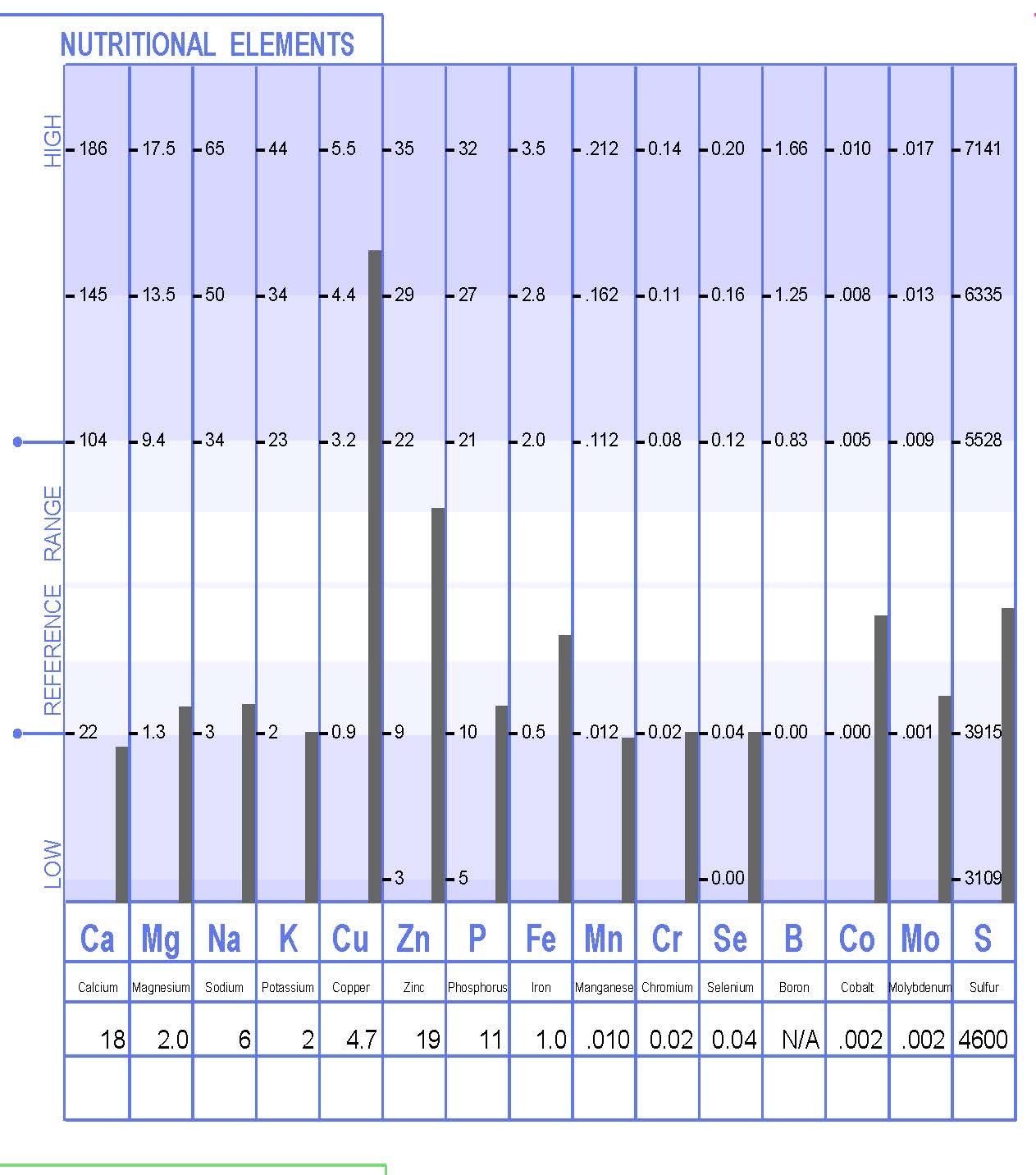
NUTRITIONAL ELEMENTS

This part shows your essential nutrient levels compared to the normal range. If they're too high or low, it could signal a deficiency or excess. The bigger the difference, the more likely there's an issue.


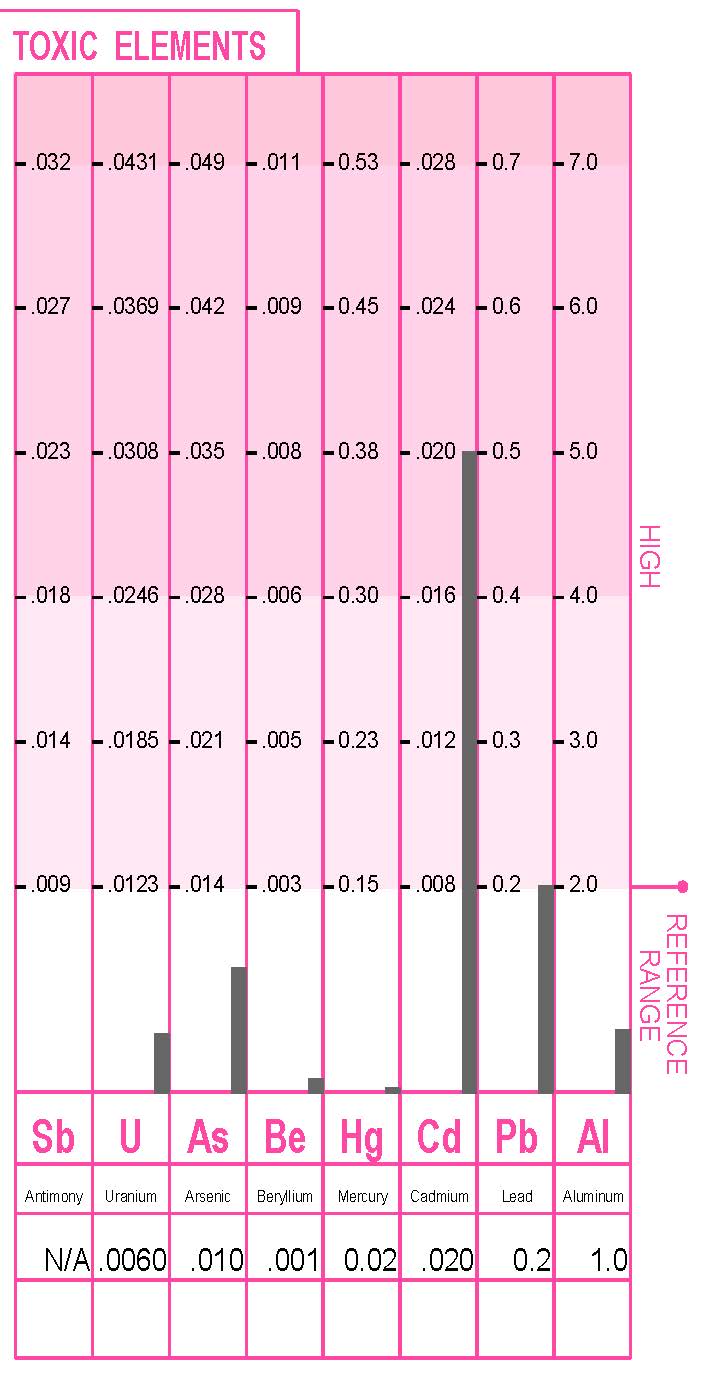
TOXIC ELEMENTS

This section reveals if harmful elements are present. Ideally, levels should be low, staying within the lower white area. If they're in the upper dark red areas, it's significant statistically but not always clinically. Further investigation may be needed.


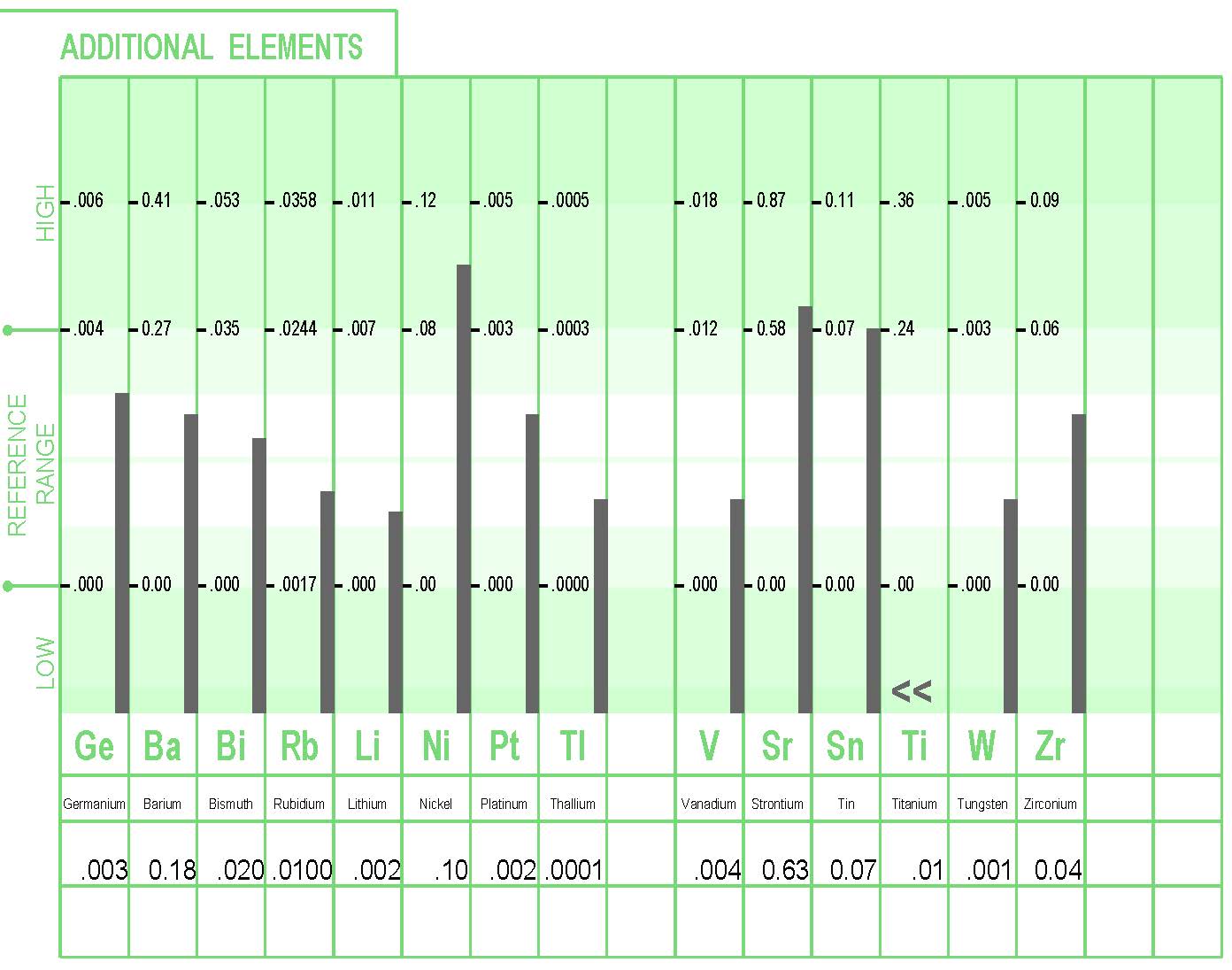
ADDITIONAL ELEMENTS

This section displays the results of additional elements for which there is limited documentation. These elements may be necessary for biochemical function and/or may adversely effect biochemical function. Further study will help to reveal their function, interrelationships and eventually their proper therapeutic application or treatment.


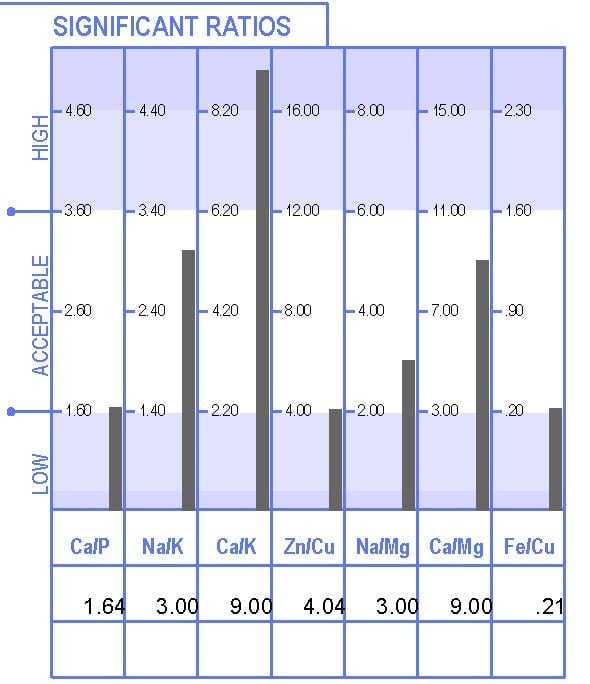
SIGNIFICANT RATIOS.

These ratios show how nutrients relate. Balancing them is vital for health, sometimes more than individual levels?

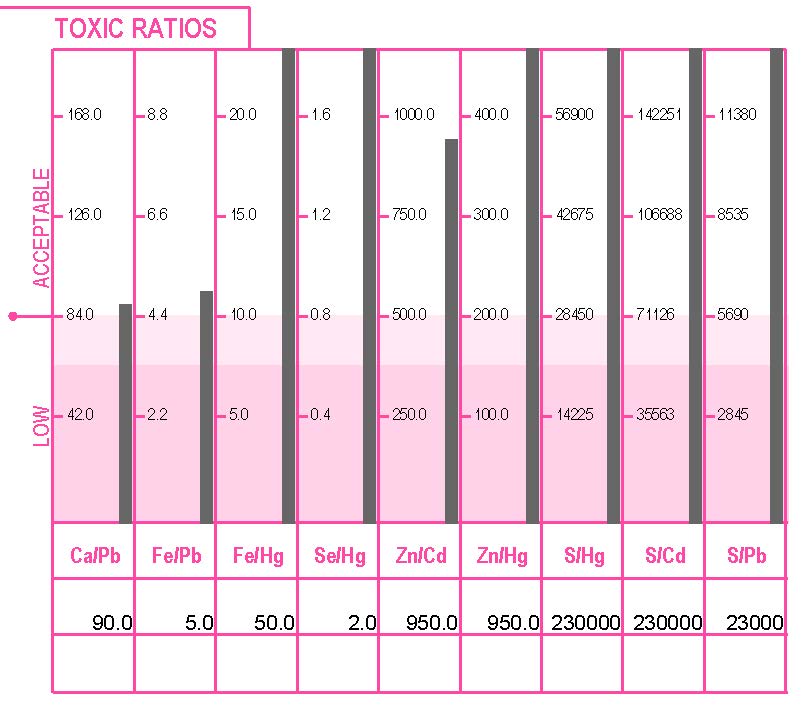
TOXIC RATIOS

Shows how toxic metals interact with nutrients. Ideally, they're in the white area, but if in the dark red, it could mean trouble.


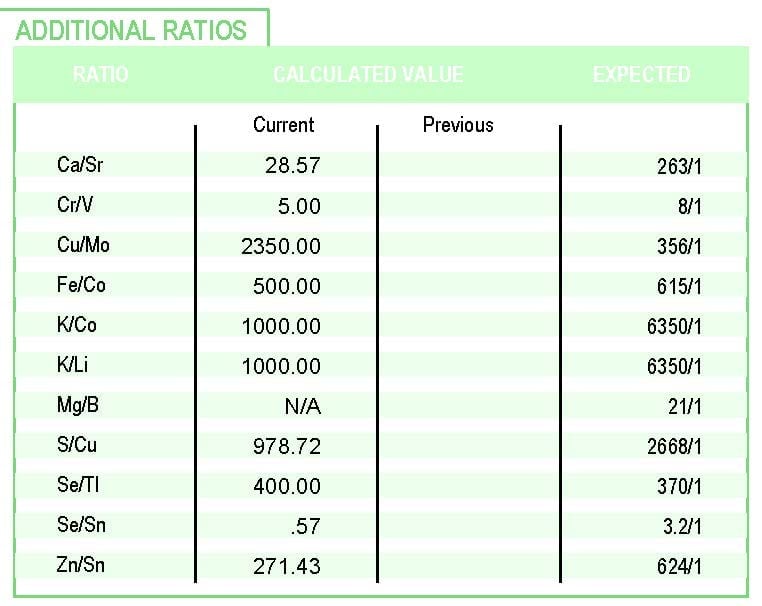
ADDITIONAL RATIOS

The additional ratios section provides calculated results on some additional mineral relationships. At this time, there is limited documentation regarding these ratios. For this reason, these ratios are only provided as an additional source of research information to the attending healthcare professional.


Monday
10:00 am - 04:00 pm
Tuesday
10:00 am - 04:00 pm
Wednesday
10:00 am - 04:00 pm
Thursday
Closed
Friday
10:00 am - 04:00 pm
Saturday
10:00 am - 01:00 pm
Sunday
Closed
close lightbox